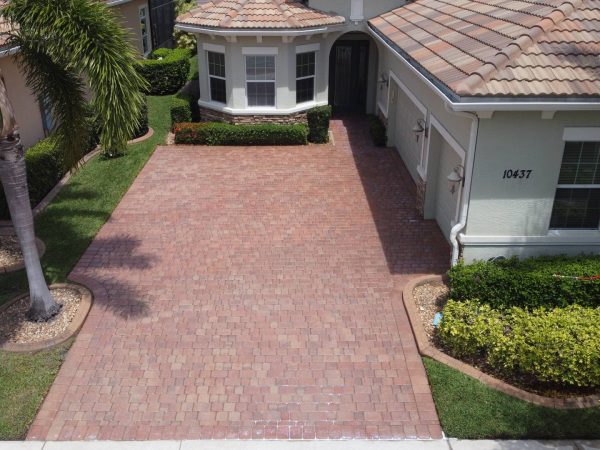
Introduction to Paver Maintenance
Regular paver maintenance helps protect and improve the appearance of brick pavers, concrete pavers, and any concrete surface. When you apply sealer correctly, you protect against moisture, stains, and UV damage, helping the surface last longer. A quality paver sealer creates a resistant coat that prevents damage and enhances color.
Whether you’re maintaining a driveway, patio, walkway, or walls, sealing plays a key role. Paver sealers are available as solvent-based sealers and water-based sealers, each offering different finishes and performance levels. Before applying sealer, review product details, understand how the method (rolling or spraying) affects coverage, and choose the best option for your job.
Contractors and experienced homeowners recommend testing your chosen sealer on a small area before the full application. Properly maintaining pavers ensures they stay cleaner, more durable, and visually appealing for years.
Choosing the Right Paver Sealer
Your choice of paver sealer depends on your surface type and desired finish. Solvent-based sealers give a wet look that darkens pavers and highlights texture. Water-based sealers provide a more natural, true-to-color finish and soak deeper into sand joints and paver joints for long-term protection.
When selecting sealers, understand what each product offers. Acrylic sealers are easy to use and popular in the market for DIY projects. Sprayed or rolled, these sealers can create a smooth finish when used with the right tools.
- Use a nap roller for controlled application on smaller surfaces.
- Use a pump sprayer or industrial sprayer for wide coverage on larger areas.
Look for options that stabilize joint sand, reduce weed growth, and resist efflorescence. Check product details to ensure compatibility with your stone, brick, or concrete pavers. Proper product selection makes the sealing process easier and ensures professional results that last longer.
Preparation Before Applying Sealer
A successful sealing job starts with a clean surface. Remove debris, leaves, and stains using suitable cleaners made for pavers. Pressure washing helps eliminate dirt and efflorescence buildup. Allow the surface to dry completely before you apply sealer trapped moisture can cause clouding or peeling.
Next, fill any voids or cracks between pavers. Sweep away excess sand to prevent it from mixing with the sealer. Ensure sand joints are stable and even, as they affect the final appearance and structural integrity of your driveway or patio.
When you start applying sealer, work methodically:
- Begin on a windless day to avoid dust and overspray.
- Use a roller or sprayer, depending on the method recommended by the manufacturer.
- Roll the sealer in one direction for even coverage, avoiding puddles or streaks.
- Spray lightly and evenly if working on textured pavers or large surfaces.
Allow the first coat to soak into the paver joints and sand joints for deeper protection. Apply a second coat only after the first has dried completely. If too much sealer is applied, remove the excess sealer with a clean roller or towel to prevent glossy spots or stickiness.
Achieving a Professional Finish
The right finish depends on your method and sealer type. Solvent-based sealers deliver a darker, high-gloss wet look, while water-based sealers create a softer, natural finish. When you roll sealer, use consistent, overlapping strokes to ensure a smooth appearance across the entire surface.
For best results:
- Apply sealer generously but evenly.
- Avoid direct sunlight during application.
- Control the amount applied to prevent streaks.
- Continue working in small sections for effortless blending.
Rolling can be ideal for smaller patios or driveways, while spraying works better for large areas or textured pavers. If you choose to spray, maintain steady pressure for uniform distribution. Rolling ensures direct contact with the surface, helping seal deeper layers of joint sand.
Professionals often recommend a two-coat system the first coat penetrates, and the second enhances the finish. This method creates a durable, moisture-resistant layer that helps protect pavers from oil, water, and stains.
Best Practices and Safety Guidelines
Always follow manufacturer instructions regarding drying time, application temperature, and safety precautions. Wear gloves, goggles, and protective clothing when handling sealers. Avoid inhaling fumes, especially with solvent-based sealers, and ensure proper ventilation.
Important things to remember:
- Ensure the surface is completely dry before sealing.
- Work on a windless day for smooth application.
- Keep pets and children away from wet areas.
- Test sealer compatibility on a small section first.
After you apply sealer, clean your roller, sprayer, and brushes immediately with suitable cleaners to prevent clogging. Always dispose of leftover materials responsibly.
Following these best practices helps prevent common problems like excess sealer, streaks, or hazing. Proper safety and attention to detail ensure a clean, even finish and a successful sealing result.
Maintenance and Long-Term Care
Maintaining sealed pavers is straightforward if you follow a consistent routine. Regular cleaning prevents buildup of dirt, oil, or debris that can damage the sealer or the surface underneath. Use mild cleaners suitable for sealed paver surfaces.
Inspect your paver joints and sand joints periodically. If you see washed-out sand, refill it and reseal as needed. Well-filled joints help protect against weed growth and moisture infiltration.
When reapplying sealer, choose the same product type water-based over water-based, or solvent-based over solvent-based to avoid hazing or peeling. Contractors often recommend reapplication every 2–3 years, depending on traffic, climate, and product quality.
Regular upkeep extends the life of your sealer and keeps the appearance sharp. Proper maintenance not only enhances curb appeal but also prevents erosion, stains, and color fading.
Your ongoing effort in cleaning and resealing will improve performance over time. Generously apply new coats when needed and watch for any dull areas or patches. The more consistently you maintain it, the longer your pavers will resist wear.
Final Thoughts
Applying a paver sealer with a roller or sprayer is one of the most effective ways to protect and enhance outdoor surfaces. Preparation, product choice, and proper application method are the keys to success.
When you apply sealer on a windless day, fill the joints, and ensure even coverage, you’ll get a finish that lasts for years. With the right sealer, your driveways, patios, and walls stay cleaner, more vibrant, and resistant to the elements.
Whether you’re a contractor or homeowner, understanding these techniques makes the process easier and results more professional. Continue maintaining your pavers, review new products on the market, and recommend your favorite brands in the comment section below.
Your pavers deserve the best care applied correctly, and they’ll look new for a long time.