Importance of Waiting After Cleaning
Waiting the correct amount of time after power washing is critical for a long lasting paint job. Painting too soon can cause peeling paint, bubbling, mold growth, and poor paint adhesion.
When applying paint to wet surfaces, the paint can fail quickly, so it is important to wait at least 24 to 72 hours depending on weather conditions, surface type, and overall drying time before you start painting your home’s exterior.
Using a moisture meter helps confirm whether the surface is completely dry, especially on wood siding where hidden moisture or moisture trapped inside the material can ruin a new coat of exterior paint.
Factors Affecting Drying Time
Drying time depends heavily on the weather forecast, including temperature, humidity, sun exposure, and wind. High humidity, cool temperatures, or a surface that still feels cool to the touch will slow down the process.
Different materials dry at different speeds. Vinyl siding, brick, and stucco dry faster than wood, which absorbs water and holds a higher moisture content. Porous materials often need extra time to dry completely.
The presence of mold, mildew, dirt, or moisture can also delay drying and affect how well paint can adhere to the surface.
Pressure Washed Surfaces
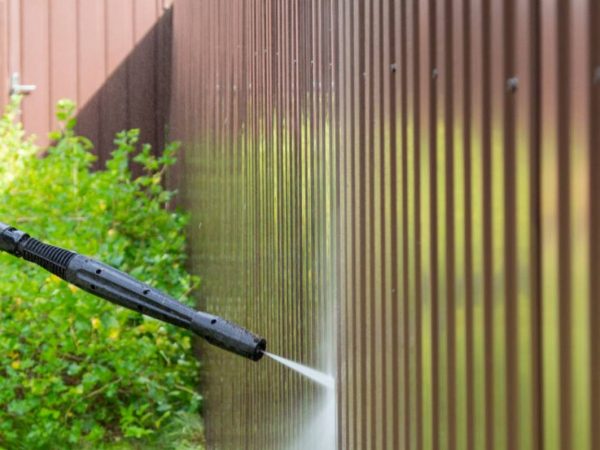
Surfaces cleaned with a pressure washer must be thoroughly inspected before painting. This includes wood siding, vinyl siding, brick, decks, and other exterior projects.
Bare wood needs extra drying time due to its ability to absorb water. Painting it too soon can cause early failure or force you to repaint sooner than expected.
Before putting on a fresh coat, be sure to remove any loose paint, removing dirt, or debris to create a clean surface that supports a long-lasting finish.
Exterior Paint Considerations
The type of exterior paint used impacts waiting times after washing. Some paints require longer drying periods, especially in South Florida where heat, humidity, and sudden rain can affect results.
Choosing the right paint for your house, siding, or walls is critical. Applying thin coats and allowing each one to dry completely helps prevent bubbling and ensures a smooth finish.
Paint Job Preparation
Proper prep is one of the most important factors in preventing peeling, cracking, or early failure. Cleaning, sanding, priming, and inspecting the surface ensure the next paint job performs well.
Using effective cleaning solutions helps remove grime, mildew, and dirt so you can create a strong bond between the paint and the material. A quality primer helps paint adhere and improves the lifespan of the job.
Maintenance and Upkeep
Regular maintenance helps the paint lasts longer and look better over time. Wash gently with mild detergent, avoid high pressure, and inspect for early signs of peeling, bubbling, or mold.
Small issues ignored for too long can ruin the finish and shorten the life of your exterior paint.
Benefits of Professional Help
Hiring professional painters can save time and prevent costly mistakes. Professionals understand how weather, sun, wind, and material factors affect drying. They also know how to avoid causing damage when prepping or cleaning the home’s exterior.
Professionals ensure a smooth, long lasting finish and can provide guidance on maintenance for a paint job that stays in great shape.
Common Mistakes to Avoid
Avoid applying paint to a damp or recently washed surface. Skipping primer, using the wrong cleaners, or painting during bad weather can all lead to failure.
Not checking moisture content with a moisture meter, especially on wood, increases the risk of peeling paint or paint not bonding well.
Lack of maintenance can also shorten the lifespan of the new coat and reduce curb appeal.
Conclusion
Waiting the proper amount of time after power washing is essential for a successful, long-lasting paint job. Understanding the factors that affect drying, preparing the surface carefully, and choosing the right paint help you achieve a durable finish that protects your house for years.
Additional Tips
- Use gentle cleaners during washing
- Avoid extreme humidity, heat, or wind when painting
- Use the touch test to check surfaces
- Follow all manufacturer instructions
- Paint during stable weather conditions
Final Considerations
Patience matters. Rushing the process leads to problems, while waiting for surfaces to dry completely increases the quality of the finish.
Homeowners who prefer a cleaner, simpler, or more DIY approach can use these guidelines, but professional help ensures ideal results and prevents mistakes that could ruin the project.